Sports
Injuries
Expert physiotherapy and chiropractic treatment for acute and chronic sports injuries. Safe and fast return to sport through rehabilitation.
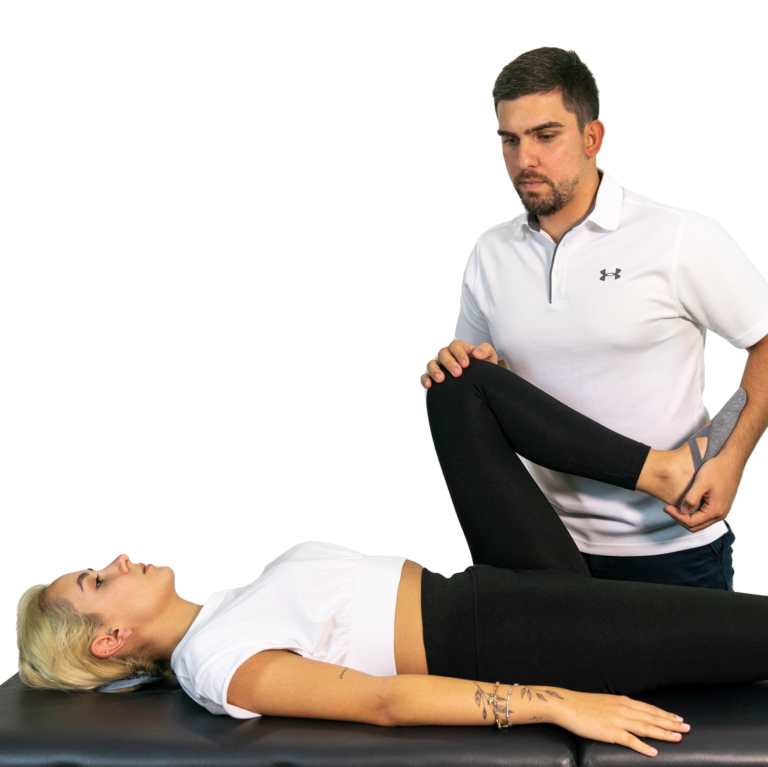
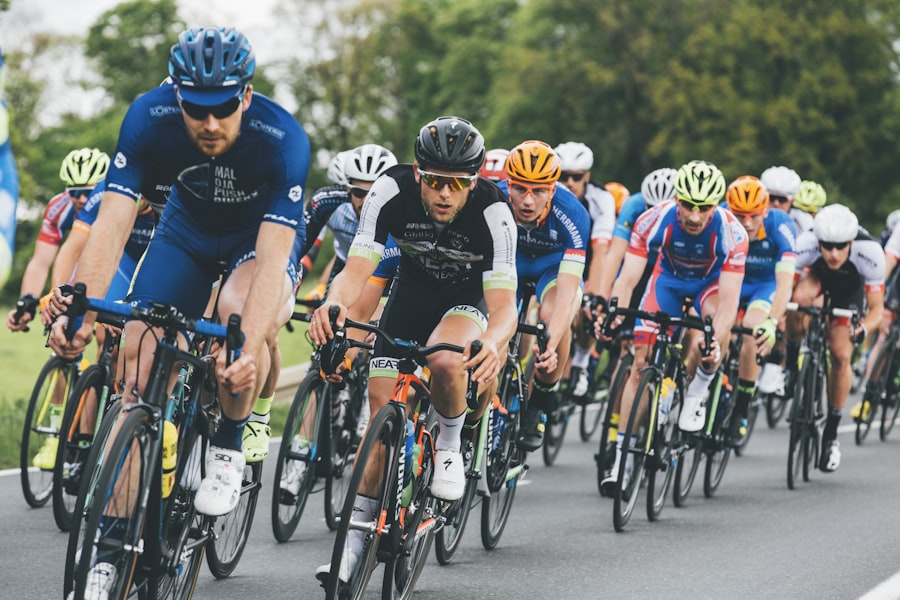
Sports Injuries Explained
Sports injuries occur during training or sports competitions. Children are particularly at risk for these types of injuries, but they can also be seen frequently in adults. Sports injuries are generally caused by overuse, direct impact, or applying more force to a body part than it can structurally withstand.
There are two types of sports injuries: acute and chronic. An ankle sprain resulting from an unbalanced landing after a jump is an example of an acute injury. Chronic injuries result from repeated overuse of muscle groups and joints. Inappropriate technique and structural abnormalities can also contribute to the development of chronic injuries. First aid after any sports injury is very important, as an injury that seems minor at first may indicate a more serious condition.
For an assessment sessionWhat Causes Sports Injuries?
Sports injuries generally occur due to two factors: personal factors and environmental factors.
Personal Factors
- Not warming up properly before sports
- Continuing to exercise while ill
- Not being mentally prepared to play sports
- Prolonged fatigue
- Lacking sport-specific technical proficiency
- Not having the appropriate physical fitness for the sport
Environmental Factors
- Weather conditions
- Inappropriate playing surface
- Inappropriate clothing, equipment, and footwear

Common Sports Injuries
Muscle tears
Tendon and ligament rupture
Ankle sprain
Anterior cruciate ligament (ACL) tear
Achilles tendon rupture
Bone fracture
Lower back pain
Stress fractures
Tennis elbow
Golfer's elbow
First Aid for Sports Injuries
When an injury occurs during training or a sports competition, the first thing to do is to stop participating in the sport. Continuing to play while injured can make the existing injury significantly worse.
Stop the Activity
Do not continue playing. Continuing to participate while injured can make the existing condition significantly worse.
Rest & Elevate
Avoid putting weight on the injured area and keep the affected part above heart level to reduce swelling.
Cold Compression
Applying cold compression to the injury site helps reduce pain and swelling that may develop.
Elastic Bandaging
Elastic bandaging applied to the painful area provides support to the injury site and helps prevent excessive edema from forming.
Treatment for Sports Injuries
Treatment for sports injuries depends on the type and severity of the injury. Following the athlete from the very beginning of the injury during the physiotherapy and rehabilitation process is essential for a healthy recovery.
Physiotherapy & Rehabilitation
Through rehabilitation — restoring the injured area to its former condition, strengthening surrounding muscles, and sport-specific training — a safe return to sport is carefully planned. The athlete must be monitored from the very first moment of injury.
Chiropractic Treatment
Manual therapy and chiropractic intervention restore joint mobility and reduce pain in sports injuries. This is supported by personalized exercise programs tailored to the athlete's specific needs.
Medication
Non-steroidal anti-inflammatory drugs (aspirin or ibuprofen), muscle relaxants, and other pain relievers can be used to relieve pain and inflammation.
Surgery (When Required)
Serious injuries such as tendon ruptures may require surgical fixation. Following surgery, an intensive rehabilitation program is planned to guide the athlete safely back to sport.
How to Prevent Sports Injuries
The best way to prevent sports injuries is to warm up properly before sports and prepare well for the physical activity to be performed.
Warm up properly before starting sports. Poorly warmed-up muscles and tendons are prone to overstretching and tearing.
Learn the correct movement technique for your sport or exercise. For example, bending your knees at the right time can help prevent your spine or hip from being injured.
Wear sport-specific, appropriate footwear. Improper shoes, equipment, and clothing can increase your risk of injury.
If you suffer an injury, make sure you have fully recovered before resuming activity. When returning to sport, start gradually rather than jumping back to pre-injury intensity to prevent secondary injuries.
Cooling down after sports is just as important as warming up. You can generally use the same movements from your warm-up routine for your cool-down.
Take the first step to overcome your sports injury
Get a free assessment session for a personalized sports injury rehabilitation program.
+90 553 351 03 12 · Kadıköy, IstanbulMedical Disclaimer: The content on this page is for informational purposes only and does not constitute medical advice, diagnosis, or treatment. Always consult a qualified healthcare professional before making any health-related decisions.