Cervicogenic
Headache
Expert chiropractic and physiotherapy treatment for chronic neck-related headaches. Non-surgical, personalized approach.
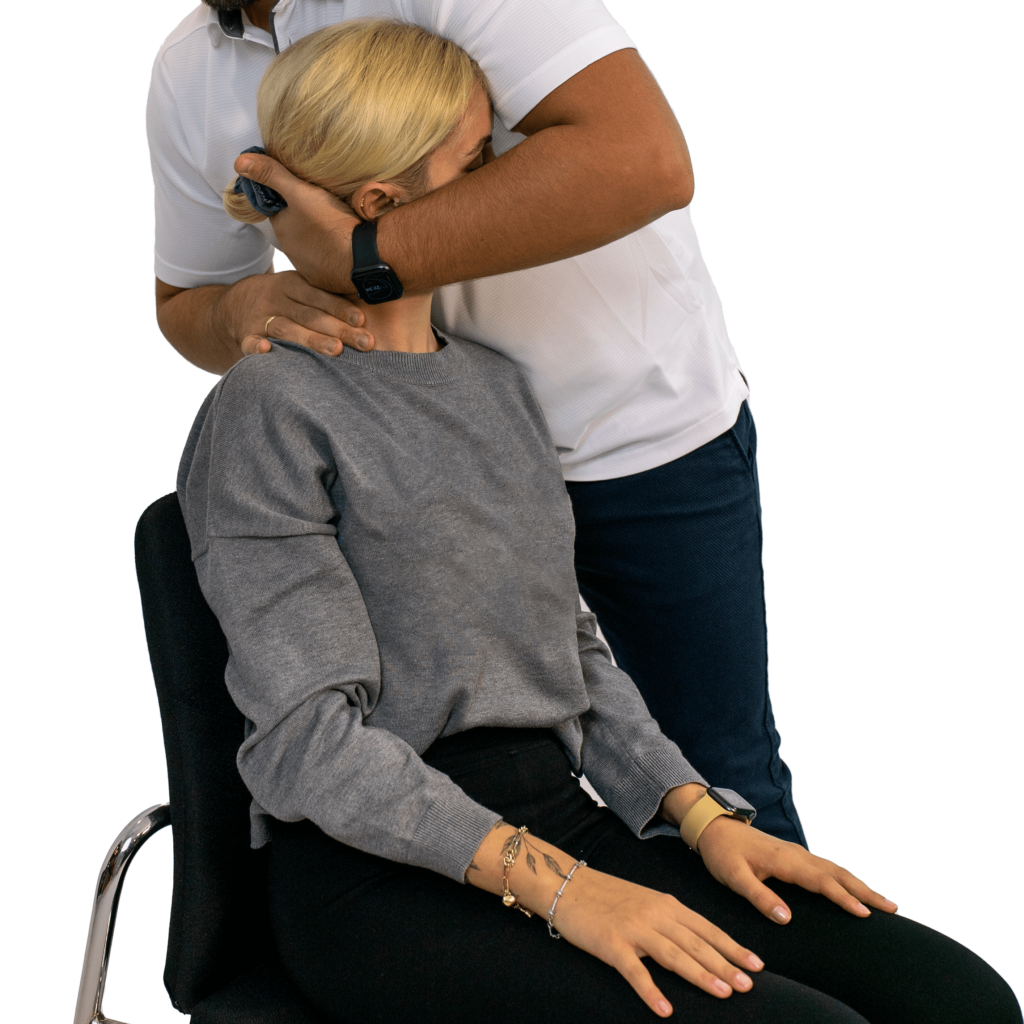

What is Cervicogenic Headache?
Cervicogenic headache is a chronic headache originating from the atlanto-occipital and upper cervical joints, perceived in one or more regions of the head and/or face.
It is a common cause of chronic headache that is frequently misdiagnosed. It is generally related to problems with the cervical vertebrae at the top of the spine, especially the C1-C2 vertebrae.
For an assessment sessionCervicogenic Headache Symptoms
Symptoms may resemble many common primary headache syndromes. Unilateral pain and ipsilateral shoulder-arm pain combination is characteristic.
Pain triggered by sudden neck movement or prolonged positioning in the same posture.
Pain on one side of the head or face.
Headache provoked by coughing, sneezing, or taking a deep breath.
Pain attacks that can last for hours or even days.
Stiff neck — inability to move the neck through its normal range.
Pain remaining at a single point such as the back, front, or side of the head or eye.
Migraine-like symptoms may also occur: nausea, arm or shoulder pain, sensitivity to light and sound, blurred vision.
What Causes Cervicogenic Headache?
Cervicogenic headaches originate from structural problems in the neck, generally related to the vertebrae at the top of the spine, especially the C1-C2 vertebrae.
Occupational Factors
Those who work in jobs that strain their neck are at risk: drivers, hairdressers, craftsmen, and those who work at a desk for long periods.
Whiplash Injury
Occurs as a result of the head being thrown backward and then forward forcefully. Traffic accidents are the most common cause of this injury.
Spinal Arthritis
Arthritis of the cervical spine can erode joint surfaces over time, causing pain and headaches in the C1-C2 region.
Structural Problems
Tumors, fractures, infections, and cervical disc herniation are among the underlying causes that can lead to cervicogenic headache.

How is Cervicogenic Headache Diagnosed?
Since there are many types of headaches, making a definitive diagnosis can be challenging. Your doctor will perform a thorough evaluation with both examination and investigations.
Physical Examination
The doctor moves your head and neck to certain positions to identify pain-provoking movements, and applies pressure to specific neck areas to assess pain points.
X-Ray
Small doses of radiation are used to image the bone structures in the neck and spine.
CT Scan
Multiple X-rays taken from different angles are combined to provide far more detail than a single X-ray.
MRI Scan
Powerful magnets and radio waves are used to obtain detailed, layered images of the head, neck, and spine.
Important: If the headache worsens over time, is accompanied by fever or redness, or if you have received a blow to the head, be sure to inform your doctor. If a headache starts suddenly and very severely, seek emergency medical attention.
How is Cervicogenic Headache Treated?
Chiropractic & Physiotherapy
Manual therapy, chiropractic intervention, and personalized exercise programs are among the most effective treatment methods, applied in a customized manner by a trained specialist.
Medication
Non-steroidal anti-inflammatory drugs (aspirin or ibuprofen), muscle relaxants, and other pain relievers can help alleviate pain.
Other Options
Non-surgical alternatives such as breathing exercises, yoga, and acupuncture can provide additional support in pain management.
Surgery (Rare)
If pain is very severe, surgery may be recommended to relieve nerve compression; however, this is rarely necessary and is considered a last resort.
Take the first step to get rid of your headache
Get a free assessment session for a personalized cervicogenic headache treatment program.
+90 553 351 03 12 · Kadıköy, IstanbulMedical Disclaimer: The content on this page is for informational purposes only and does not constitute medical advice, diagnosis, or treatment. Always consult a qualified healthcare professional before making any health-related decisions.